
Aksharam Education
Common Mistakes in the Usage of Conjunctions
Conjunctionsന്റെ ഉപയോഗത്തിൽ വരാറുള്ള തെറ്റുകൾ എന്താണെന്ന് നോക്കാം.

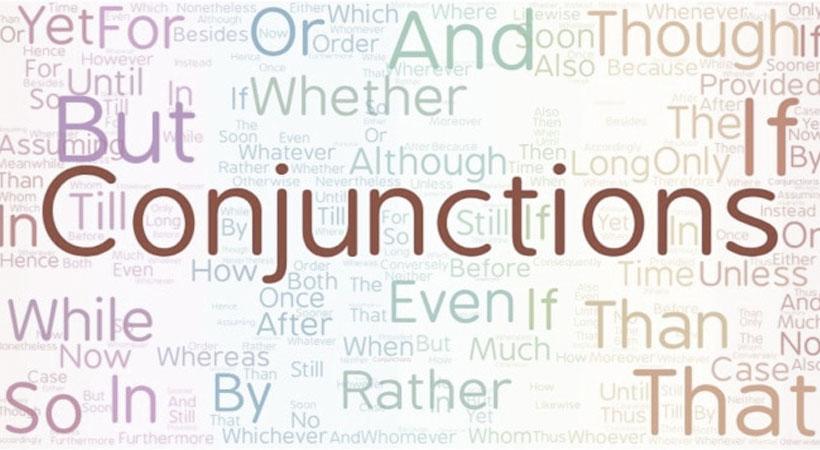
Conjunctions ശരിയായി ഉപയോഗിക്കുന്നതുമായി ബന്ധപ്പെട്ട ചോദ്യങ്ങൾ എച്ച്, എച്ച് എസ് എസ്, പി എസ് സി, യു പി എസ് സി, എൻട്രൻസ് പരീക്ഷകളിലും മറ്റു മത്സരപരീക്ഷകളിലും സ്ഥിരമായി വരാറുള്ളതാണ്. Conjunctionsന്റെ ഉപയോഗത്തിൽ വരാറുള്ള തെറ്റുകൾ എന്താണെന്ന് നോക്കാം.
1- Using although + but
Wrong: Although he was late, but the teacher allowed him.
Correct: Although he was late, the teacher allowed him.
2- Using because + so
Wrong: She cried because so she lost her purse.
Correct: She cried because she lost her purse.
or
Correct: She lost her purse, so she cried.
3 – Using despite with a full clause
Wrong: Despite he was angry, he smiled.
Correct: Despite being angry, he smiled.
or
Correct: Although he was angry, he smiled.
4- Wrong pairing of neither … or
Wrong: He likes neither cricket or football.
Correct: He likes neither cricket nor football.
5- Wrong pairing of either … nor
Wrong: Either you come nor I come.
Correct: Either you come or I come.
6- Wrong use of as well as
Wrong: The teacher as well as the students are happy.
Correct: The teacher as well as the students is happy.
7- Incorrect use of until
Wrong: Don’t move until when I call you.
Correct: Don’t move until I call you.
8- Wrong use of unless
Wrong: Unless you don’t study, you will fail.
(Negative meaning already in ‘unless’)
Correct: Unless you study, you will fail.
9- Wrong use of since
Wrong: Since three years I am teaching here.
(‘Since’ needs a point in time)
Correct: For three years I have been teaching here.
or
Correct: I have been teaching here sinc
e 2021.
Confusing for and because
- Wrong: He didn’t come, for he was raining.
- Wrong: For he was busy he didn’t come.
- Correct: He didn’t come because it was raining.or
- Correct: He didn’t come, for he was busy.
Using though incorrectly at the end
- Wrong: He came though.
- Wrong: I didn’t go though.
(‘Though’ at the end is informal but not wrong; avoid for formal writing)
Formal: - Correct: Although he came, he left early.
or - Correct: I didn’t go although I was invited.
Wrong use of though and but
- Wrong: Though he worked hard, but he failed.
- Correct: Though he worked hard, he failed.
Using however as a conjunction
- Wrong: He was ill however he went to school.
(‘However’ is not a conjunction; it is a conjunctive adverb) - Correct: He was ill; however, he went to school.
or - Correct: Although he was ill, he went to school.
Using also wrongly with and
- Wrong: She is smart and also she is polite.
- Correct: She is smart, and she is polite.
or - Correct: She is smart and polite.
So used wrongly with that
- Wrong: He was so happy that he singing.
- Wrong: He so happy that cried.
- Correct: He was so happy that he cried.
Wrong use of therefore without proper punctuation
- Wrong: It was late therefore I left.
- Correct: It was late; therefore, I left.
Using because of with full clause
- Wrong: Because of he was tired, he slept.
- Wrong: Because of it was raining, we stayed home.
- Correct: Because he was tired, he slept.
or - Correct: Because of the rain, we stayed home.
Wrong use of otherwise
- Wrong: Study well otherwise you will not fail.
(Negatives cancel each other) - Correct: Study well, otherwise you will fail.
or - Correct: Don’t be careless, otherwise you will fail.
Wrong use of unless with positive meaning
- Wrong: I will come unless you call me.
(‘Unless’ = except if) - Correct: I will come if you call me.
or - Correct: I won’t come unless you call me.
Misusing even if
- Wrong: I will go even if it will rain.
(Future tense not used after subordinating conjunctions) - Correct: I will go even if it rains.
Redundant conjunctions
- Wrong: Since because I was tired, I slept.
- Wrong: Though yet he tried hard.
- Wrong: Because but he was afraid.
- Correct: Use only one conjunction.
1- Using after with wrong tense
- Wrong: After he reached, he had called me.
- Wrong: After he calls me, I came.
- Correct: After he reached, he called me.
or - Correct: After he calls me, I will come.
2- Using before with past perfect wrongly
- Wrong: Before I had reached, he came.
- Wrong: Before he comes, he had left.
- Correct: Before I reached, he came.
or - Correct: Before he came, I had left.
3- Wrong use of as if
- Wrong: He talks as if he knows everything will happen.
- Wrong: She smiled as if she is happy.
(Use past tense after ‘as if’) - Correct: He talks as if he knew everything.
or - Correct: She smiled as if she were happy.
4- Wrong use of in order to
- Wrong: He went early in order to he can meet the teacher.
- Wrong: She studies in order to getting good marks.
- Correct: He went early in order to meet the teacher.
or - Correct: She studies in order to get good marks.
5- Using though + however
- Wrong: Though he tried hard, however he failed.
- Correct: Though he tried hard, he failed.
or - Correct: He tried hard; however, he failed.
6- Wrong use of till with negative
- Wrong: I didn’t go till when he came.
- Wrong: Wait till when I call you.
- Correct: Wait till I call you.
or - Correct: Don’t go till he comes.
7- Wrong use of unless with past tense
- Wrong: I won’t go unless he came.
- Wrong: She won’t help unless he asked.
- Correct: I won’t go unless he comes.
or - Correct: She won’t help unless he asks.
8- Using even though and but together
- Wrong: Even though it was raining but they played.
- Correct: Even though it was raining, they played.
9- Incorrect use of now that
- Wrong: Now that he is sick, so he can’t come.
- Wrong: Now that he is late but he will try.
- Correct: Now that he is sick, he can’t come.
Redundant conjunctions
- Wrong: Since because I was tired, I slept.
- Wrong: Though yet he tried hard.
- Wrong: Because but he was afraid.
- Correct: Use only one conjunction.
1- Using after with wrong tense
- Wrong: After he reached, he had called me.
- Wrong: After he calls me, I came.
- Correct: After he reached, he called me.
or - Correct: After he calls me, I will come.
2- Using before with past perfect wrongly
- Wrong: Before I had reached, he came.
- Wrong: Before he comes, he had left.
- Correct: Before I reached, he came.
or - Correct: Before he came, I had left.
3- Wrong use of as if
- Wrong: He talks as if he knows everything will happen.
- Wrong: She smiled as if she is happy.
(Use past tense after ‘as if’) - Correct: He talks as if he knew everything.
or - Correct: She smiled as if she were happy.
4- Wrong use of in order to
- Wrong: He went early in order to he can meet the teacher.
- Wrong: She studies in order to getting good marks.
- Correct: He went early in order to meet the teacher.
or - Correct: She studies in order to get good marks.
5- Using though + however
- Wrong: Though he tried hard, however he failed.
- Correct: Though he tried hard, he failed.
or - Correct: He tried hard; however, he failed.
6- Wrong use of till with negative
- Wrong: I didn’t go till when he came.
- Wrong: Wait till when I call you.
- Correct: Wait till I call you.
or - Correct: Don’t go till he comes.
7- Wrong use of unless with past tense
- Wrong: I won’t go unless he came.
- Wrong: She won’t help unless he asked.
- Correct: I won’t go unless he comes.
or - Correct: She won’t help unless he asks.
8- Using even though and but together
- Wrong: Even though it was raining but they played.
- Correct: Even though it was raining, they played.
9- Incorrect use of now that
- Wrong: Now that he is sick, so he can’t come.
- Wrong: Now that he is late but he will try.
- Correct: Now that he is sick, he can’t come. Redundant conjunctions
- Wrong: Since because I was tired, I slept.
- Wrong: Though yet he tried hard.
- Wrong: Because but he was afraid.
- Correct: Use only one conjunction.
1- Using after with wrong tense
- Wrong: After he reached, he had called me.
- Wrong: After he calls me, I came.
- Correct: After he reached, he called me.
or - Correct: After he calls me, I will come.
2- Using before with past perfect wrongly
- Wrong: Before I had reached, he came.
- Wrong: Before he comes, he had left.
- Correct: Before I reached, he came.
or - Correct: Before he came, I had left.
3- Wrong use of as if
Wrong: He talks as if he knows







Latest

മാസപ്പടിക്കേസ്; പിണറായിക്കും റിയാസിനുമെതിരെ അന്വേഷണത്തിന് ഉത്തരവിട്ട് സര്ക്കാര്

കേന്ദ്ര സർവീസിൽ 480 എൻജിനീയർ

മദ്രാസ് ഐ ഐ ടി; സ്കൂൾ കണക്ട് പ്രോഗ്രാമിന് ചേരാം

ഏഷ്യന് ഗെയിംസ്: ഇന്ത്യയ്ക്ക് ആദ്യ സ്വര്ണം വനിതാ ക്രിക്കറ്റിലൂടെ

വാഹന മോഡിഫിക്കേഷൻ; കർശന പരിശോധന വേണമെന്ന് ഹൈക്കോടതി

ആലപ്പുഴയില് ഓടിക്കൊണ്ടിരുന്ന ജീപ്പിന് തീപിടിച്ചു